(
2026
)
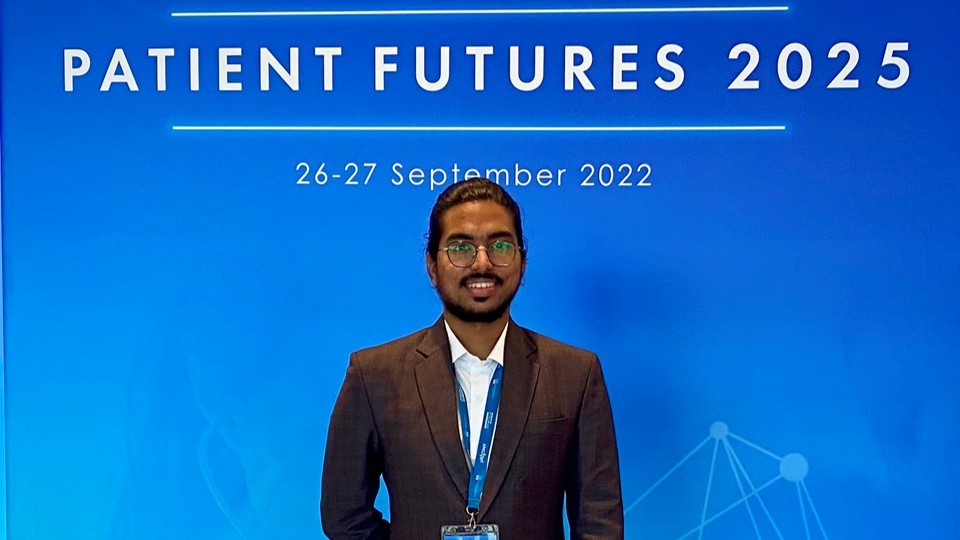
I'm back in Hyderabad. The adrenaline has mostly worn off. It was a good week in Delhi and I've been trying to sit with it honestly instead of just posting about it.
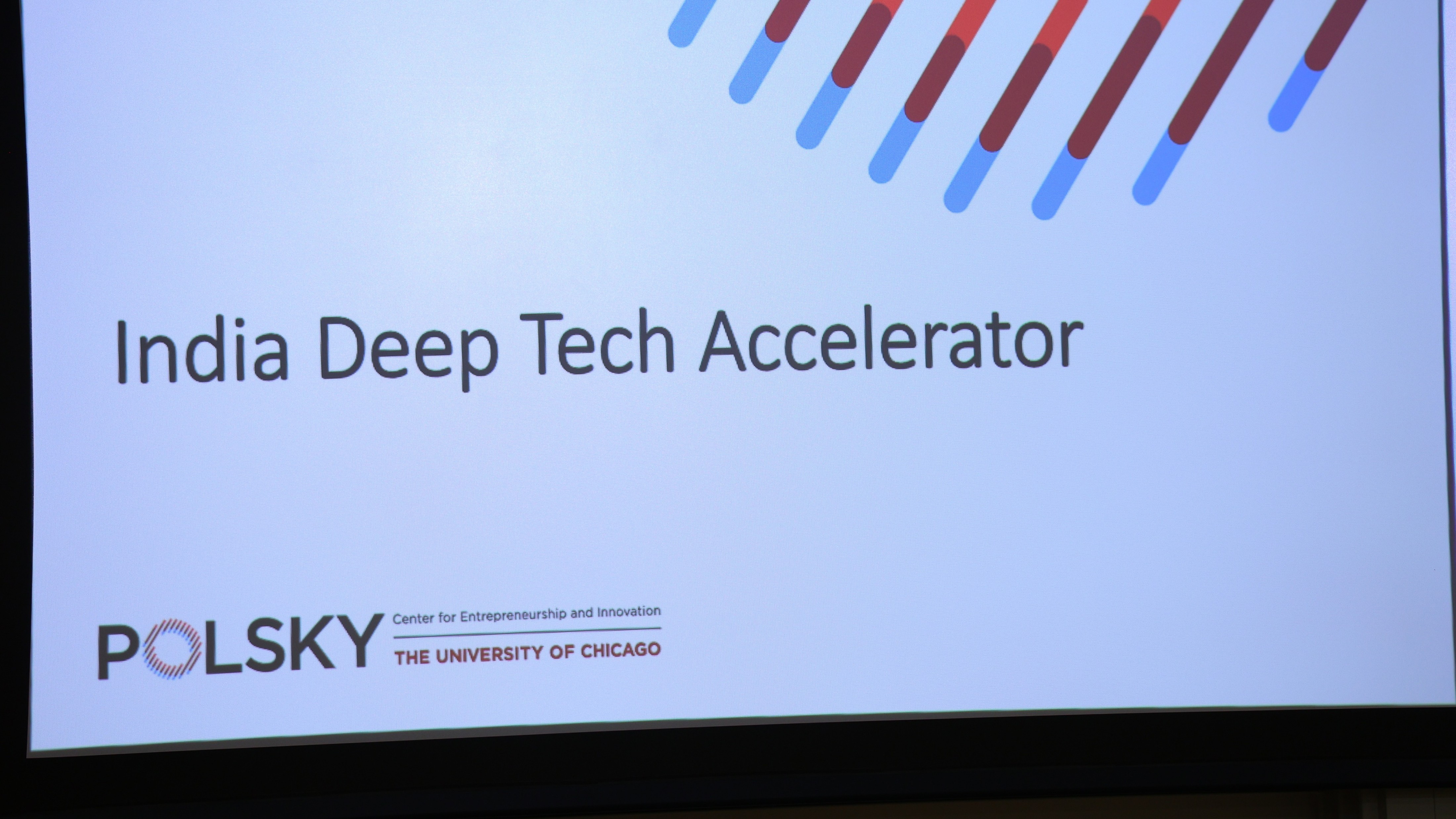
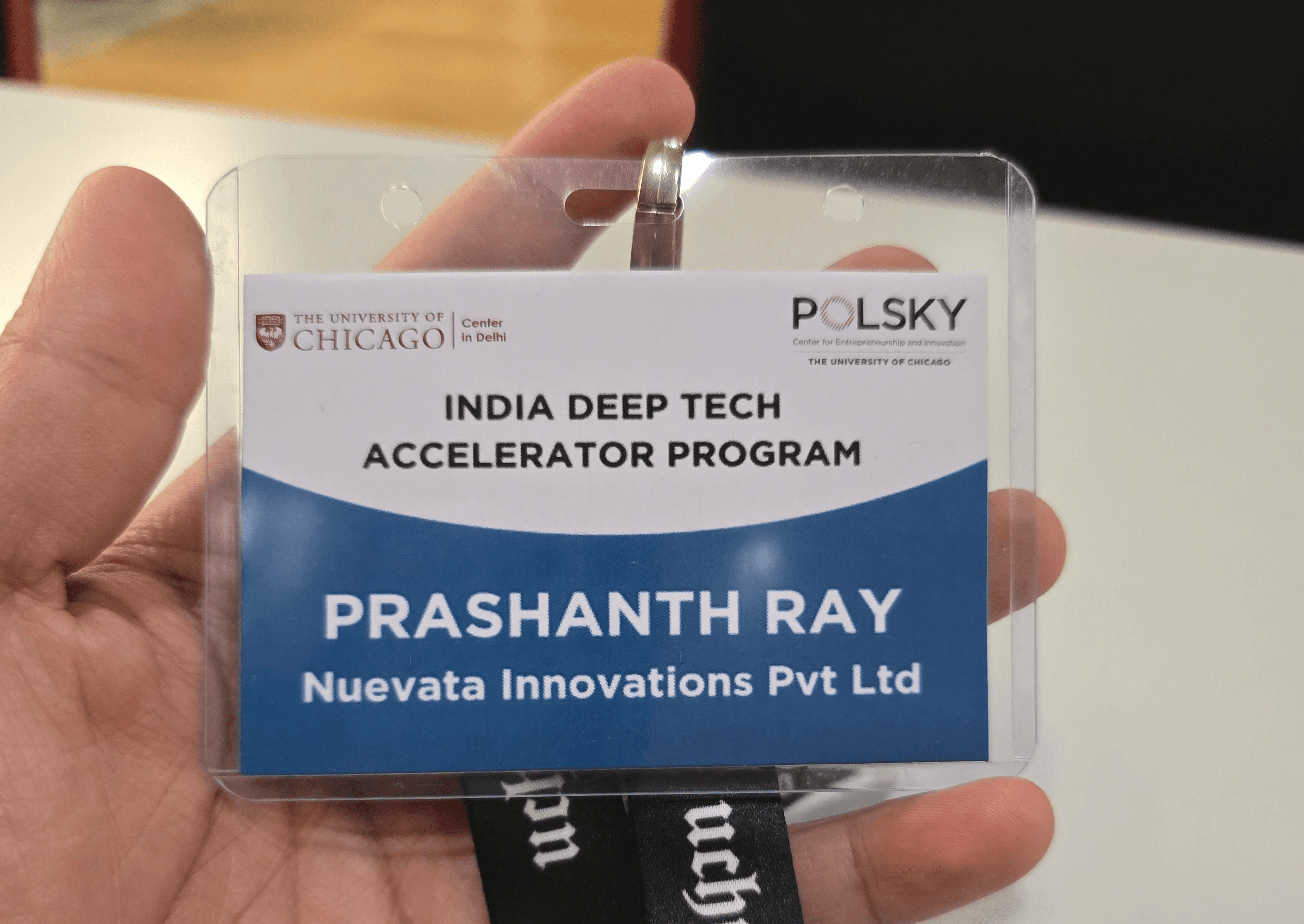
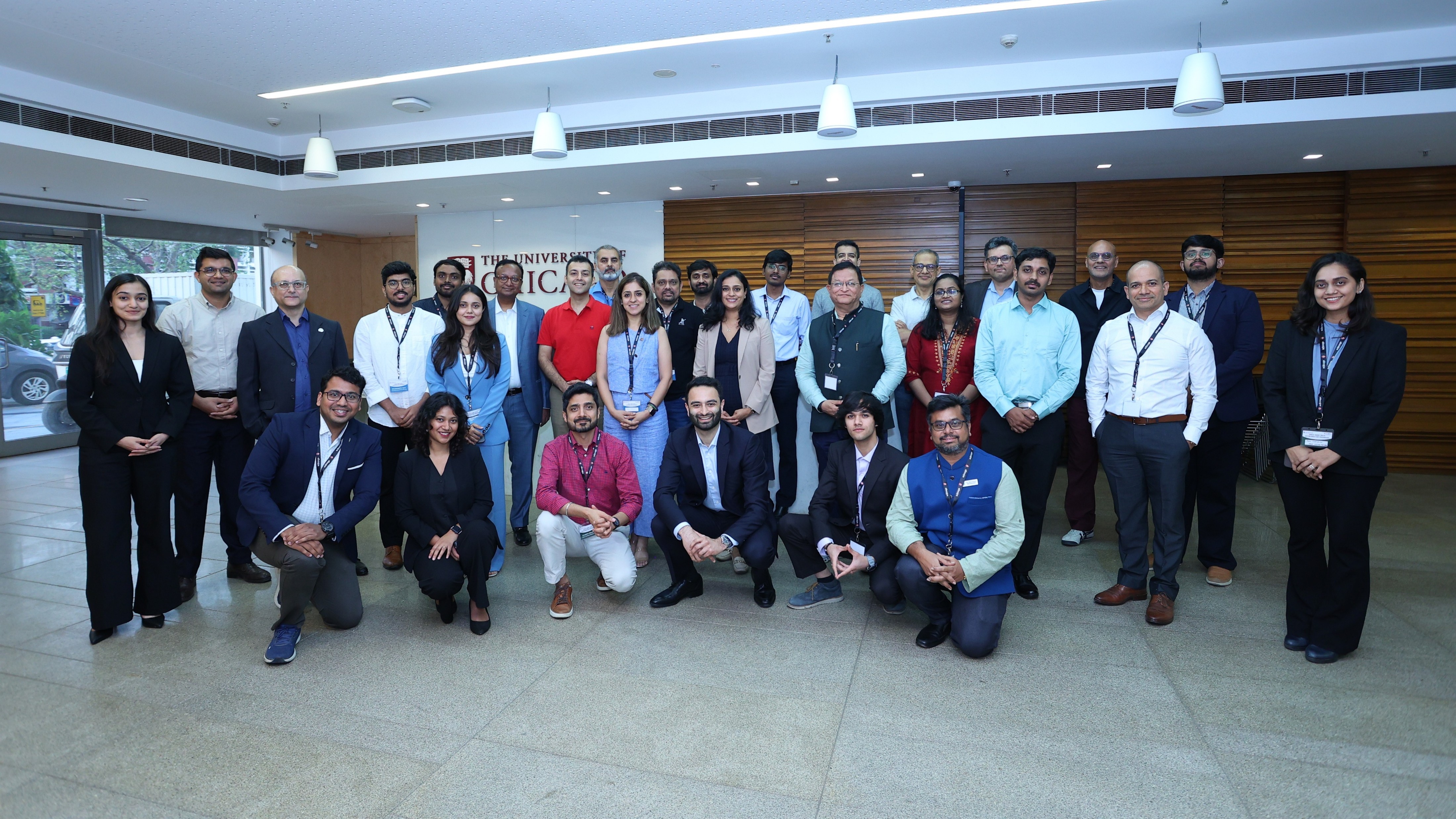
Nuevata was selected for the inaugural cohort of the India Deep Tech Accelerator by the Polsky Center at the University of Chicago. 140 applications. 20 companies. We're in. I spent two days in a room at the University of Chicago Center in Delhi with founders building across surgical AI, space tech, advanced materials, and energy systems. Most of them came from IITs and BITS.
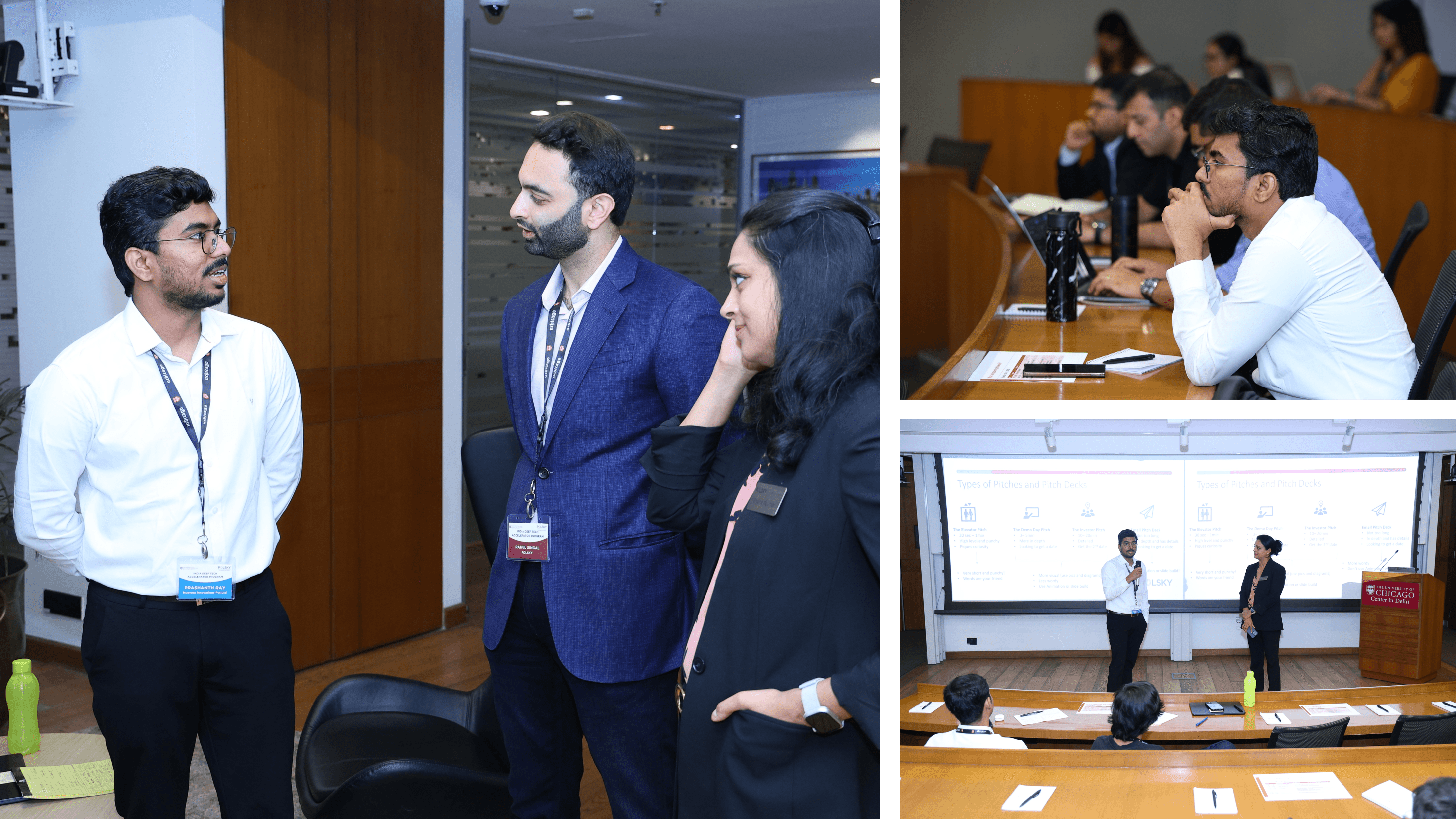
At some point during the pitch workshop, Rohith who's building Zodhya, said something to me that I haven't been able to put down. He said I was making our problem sound too simple. That I needed to let the complexity breathe. That investors need to feel the weight of what you're actually solving before they can understand why you're the one to solve it.
I've been turning that over ever since.
My instinct has always been toward clarity. I believe if you can't explain something simply, you haven't understood it well enough. That instinct has served me during the three-minute demo pitch at the workshop, I tried a line at the end: "The Surgeon's JARVIS." The room clicked. Something landed.
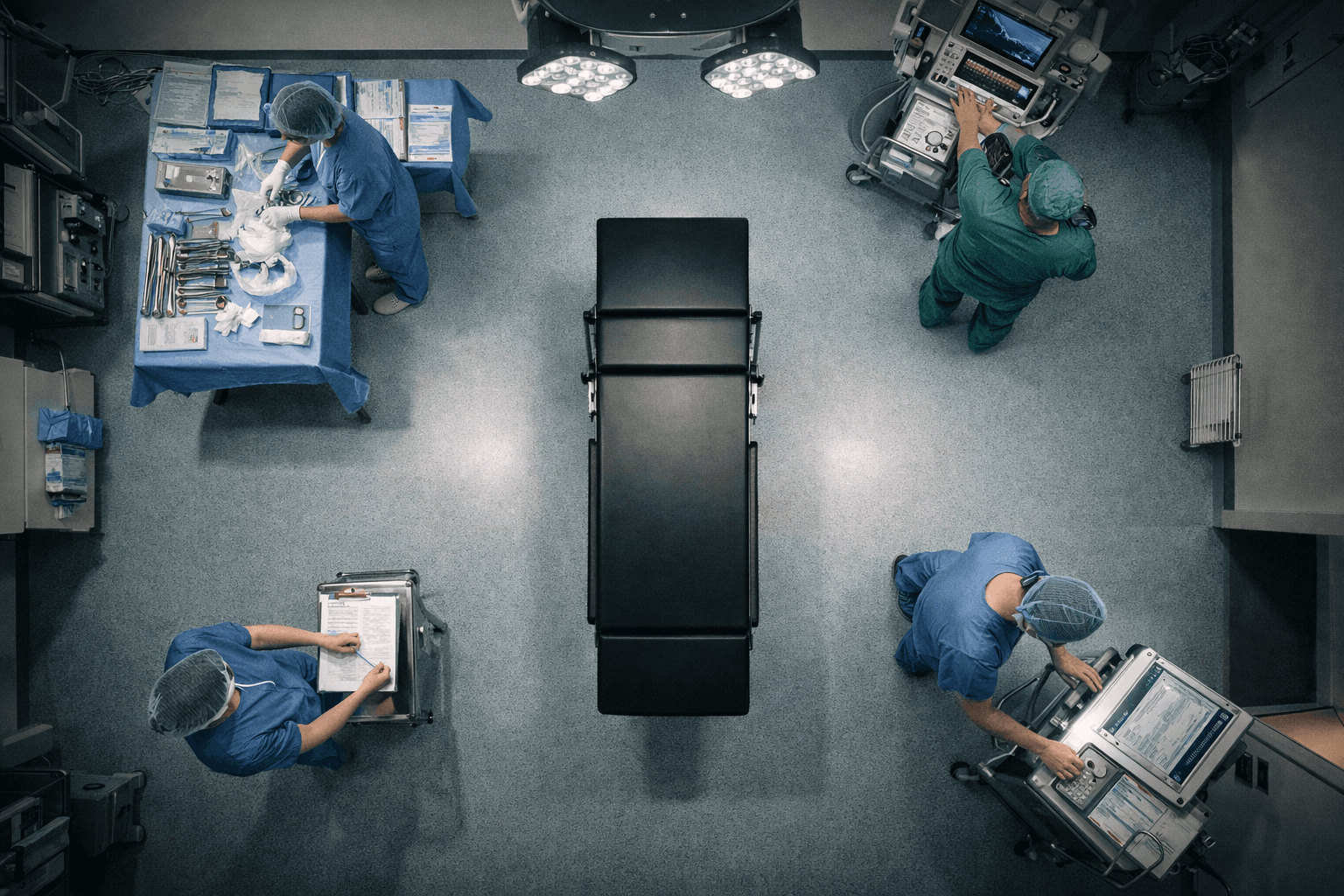
But Rohith's point isn't wrong. The open operating theatre is not a simple environment. It is loud, unpredictable, fast, and deeply human. The decisions a surgeon makes are rarely verbalized, often unconscious, and built from thousands of hours of accumulated pattern recognition that no textbook fully captures. The problem of structuring that in real time, without disrupting the procedure, in a way that a model can actually learn from is genuinely hard.
So which is it? Clear, or complex?
I think the answer is both, sequenced correctly. Lead with the clarity so people can follow you into the room. Then open the complexity so they understand why it matters that you're the one trying to solve it.
That's a craft I'm still developing.
The harder thing I keep coming back to is a question I didn't ask in any of the sessions, but that sat just under everything.
Will surgeons actually change?
Not can they, I know they can. The early signals from Dr. Hema's network say they're curious, some are genuinely excited. But adoption at scale is a different question. Will a surgeon who has operated the same way for 25 years put on a headset and allow their practice to be observed? Will the next generation of registrars trust a system that tells them what it thinks they did differently from their attending?
Healthcare moves slowly. Not because clinicians are resistant to change, but because the cost of being wrong is a human life. That conservatism is rational. It's also the wall every surgical technology company eventually reaches.
I have a plan for early adoption, trainers who want to show students what good surgery looks like, institutions that need objective assessment for credentialing, CMOs who understand liability and variance reduction.
But I don't have a clean answer to the scaling question yet. And I think that's okay. The honest answer is that you don't get to know that in advance. You build, you pilot, you watch what actually happens when a real surgeon uses a real version of the product in a real OR. Then you know.
That's where we're headed.